When a new building goes up in Los Angeles, attention quickly centers on finishes, inspections, and the certificate of occupancy. Few contractors pause to consider the attic, yet that cramped, dusty space can determine whether a project opens smoothly or stumbles into delays, unexpected costs, and health complaints. For general contractors, builders, and project managers handling new construction in Los Angeles CA, investing in professional attic cleaning services early pays off in safety, code compliance, warranty protection, and client satisfaction.
Why the attic matters on new construction Attics are the last place most trades inspect in detail, which is precisely why they matter. During framing, HVAC, insulation, and roofing work, particle buildup, foreign tools, leftover fasteners, and small pockets of construction debris accumulate. Birds and rodents are attracted to new structures; a single nesting event can deposit pounds of nesting material and droppings before anyone notices. Left untreated, contaminated insulation and debris interfere with airflow, reduce thermal performance, invite pests, and create slip, trip, and fire hazards for maintenance crews.
I once worked on a multiunit project in the San Fernando Valley where the roofing subcontractor left dozens of bundles of tar paper and nails in the attic cavities. The vinyl insulation was pushed aside to make room for materials. By the time the owner scheduled a final attic cleaning, a resident reported a foul odor and respiratory irritation. The cleaning crew removed six contractor-sized trash bags of debris and discovered a half-dozen rodent runways. The job that could have been a quick sweep turned into a two-day remediation with HEPA vacuuming, insulation replacement, and a minor delay to occupancy. That delay cost the developer both time and goodwill. Proactive attic cleaning would have avoided the escalation.
What professional attic cleaning services actually do A competent attic cleaning company for new construction does more than shake out insulation. They approach the space with a construction mindset, combining pest-aware protocols, construction debris removal, air quality controls, and documentation suited to owner handoffs. Typical services include inspection and risk assessment, mechanical removal of debris and loose insulation, HEPA vacuuming where droppings or fine dust exist, targeted sanitizing of contaminated pockets, replacement or augmentation of insulation materials, and a final clearance inspection. When rodent activity is present, attic rat cleanup and rodent attic clean up are integrated steps, often coordinated with pest control attic cleaning specialists to close entry points and prevent re-infestation.
For Los Angeles projects subject to local building codes and warranty expectations, documentation matters. A reputable provider will produce a site report with before-and-after photos, weight and volume removed when applicable, and a list of recommendations, such as sealing attic vents or replacing damaged insulation. Some contractors request chain-of-custody paperwork for hazardous materials; while most attic debris on new construction is not hazardous by regulation, the presence of rodent droppings or certain industrial residues can trigger additional protocols.
Timing and scheduling strategies that save money Cleaning the attic at the right phase of construction avoids rework. The most cost-effective times are after the roof is fully set but before HVAC, insulation, and drywall trades close cavities, or again as a final pass prior to final inspection. A single mid-build cleaning eliminates the bulk of materials left by roofers and framers, and a final cleaning provides a clean handoff for the owner. For large projects, schedule attic cleaning in blocks tied to shift completions, rather than as an open-ended task. Contractors who book a certified attic cleaning company early secure better rates and avoid emergency calls when tenants or inspectors complain.
Costs vary widely in Los Angeles due to project scale and contamination level. For a typical single-family residence, attic cleaning might range from a few hundred to a couple thousand dollars. For larger multifamily or commercial roofs, budgets should allow for several thousand dollars, and if insulation replacement or rodent remediation is required, add a 20 to 50 percent contingency. When you factor in the costs of delayed occupancy, call-back work, or warranty claims from poor indoor air quality, the cleaning fee becomes a small line item that prevents larger losses.
Rodents, nests, and the attic rat cleanup difference New construction frequently attracts rodents. They find warm, quiet spaces and soft materials. Attic rat cleanup deals not only with the visible nests but with the microscopic contamination that droppings leave behind, including viruses, bacteria, and allergens. That contamination adheres to insulation fibers and joist cavities. HEPA vacuuming plus fogging or targeted disinfecting reduces pathogen loads, but judgment is crucial: some heavily contaminated insulation should be removed and replaced rather than cleaned.
Rodent attic clean up is often paired with rodent control measures. Sealing access points around rooflines, soffits, and utility penetrations is essential to preventing recurrence. Pest control companies experienced with attics — firms like Rodent Control Inc. — bring exclusion expertise, trapping strategies, and occasional baiting where appropriate. Coordinate schedules so that exclusion work follows cleanout; otherwise rodents may return to recontaminate cleaned areas.
Air quality, worker safety, and regulatory concerns Construction sites in Los Angeles fall under Cal/OSHA regulations for worker safety. Attic spaces present confined space risks, potential fiberglass exposure, and hazards from sharp objects and nails. A professional attic cleaning crew arrives with appropriate PPE, respirators rated for particulate control, protective clothing, and eye protection. They know how to control dust migration into conditioned spaces using barriers and negative air machines when necessary.
Indoor air quality for future occupants is a compelling reason to invest in attic cleaning. Even small amounts of construction dust can circulate through ducts, especially if HVAC units have been operating during construction. A clean attic reduces the load on new HVAC filters, improves initial commissioning, and reduces the risk of early complaints about dust or odors.
Selecting an attic cleaning company for Los Angeles CA new construction Look for firms with demonstrated experience on construction sites, not just residential cleanups. Verify insurance, general liability, and workers compensation. Ask for references specifically tied to new construction projects and request documentation templates they provide at job completion. A strong provider will supply before-and-after photos, a materials removal log, and recommendations for exclusion work.
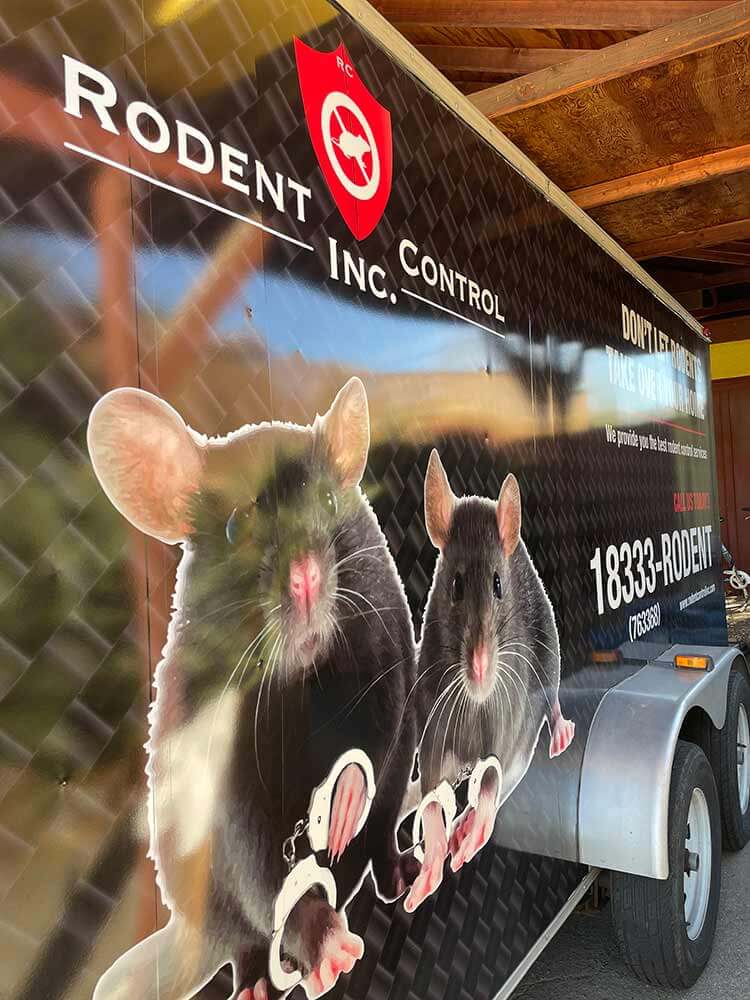
Consider whether the company partners with pest control specialists or performs exclusions in-house. There are trade-offs: a single point of contact simplifies logistics, but partnering with a licensed pest control operator such as Rodent Control Inc. Can bring deeper expertise for rodent exclusion and long-term monitoring. Cost and scheduling coordination are the two main practical considerations when deciding whether to bundle services.
Practical checklist for project managers To keep scheduling and quality under control, use this brief checklist as a prompt when you set up attic cleaning. It covers what to confirm with the cleaning company before work begins.
- Confirm scope, including debris removal, HEPA vacuuming, insulation replacement if necessary, and whether sanitizing or odor control is included. Verify insurance, certifications, and permits required for jobsite access, and request sample documentation. Coordinate timing with roofing, HVAC, insulation, and pest control trades so cleaning occurs after major debris sources are finished and before drywall. Require before-and-after photos and a written report listing materials removed and any recommended follow-up actions. Plan for exclusion work if rodent activity is found, and allow time for reinspection after exclusion.
Note there is only one list in this article, kept to five items to meet site and reading constraints. Treat it as a lightweight operational tool rather than a comprehensive specification.
Common trade-offs and how to decide Deciding how much to clean and when involves trade-offs. A thorough HEPA-level cleaning with insulation replacement guarantees the cleanest result but increases immediate cost. A lighter sweep reduces up-front expense but risks localized contamination and potential callback for odors or pest problems. For high-end residential or occupied buildings, err toward thoroughness. For speculative new construction where cost is tightly managed, schedule a two-step approach: an efficient mid-build sweep to remove bulk debris and a final HEPA cleanup only where inspectors or owners request it.
Another trade-off appears when deciding who performs exclusion work. Some cleaning companies will perform minor sealing of vents and penetrations; others will recommend a licensed pest control firm. If the project includes a warranty that covers pest intrusion, coordinate with that warranty provider to ensure remedial actions meet their standards. For projects in neighborhoods with high rodent pressure, invest in exclusion upfront. It is cheaper to seal several vents than to replace insulation and perform repeated cleanings.
Examples from Los Angeles projects On a 24-unit mid-rise renovation in Koreatown, the developer scheduled attic cleaning only after residents moved in, as a reactive measure. The cleaning crew found multiple active rat nests and insulation saturated by urine in two units. Remediation required partial insulation removal on three levels and a week of follow-up exclusion work. The extra costs and tenant relocations created animosity and negative online reviews. The developer changed policy for future projects: a pre-handoff attic inspection and cleaning became a standard line item in the scope, budgeted at about 0.5 to 0.8 percent of construction cost. That small investment returned measurable savings in reduced call-backs and better tenant retention.
On a new single-family home in the Hollywood Hills, the roofing company left roofing nails and paper scraps affordable attic cleaning services in the attic. The builder coordinated with an attic cleaning company to perform a mid-build sweep, removing more than 30 pounds of stray fasteners and debris. The crew documented their findings and sealed three small roofline gaps they discovered. The owner had the peace of mind of a clean attic and a final inspection that passed without dust-related comments from the mechanical contractor.
Documentation and warranty considerations Contractual clarity protects both builders and cleaning firms. Include a simple scope attachment to the construction contract that specifies cleaning triggers, acceptable levels of contamination, and responsibilities for reimbursement if additional work is discovered. If your warranty covers pest-related damages, ensure the cleaning report is filed with the warranty administrator. Some insurers and warranty providers require evidence of rodent remediation before approving claims for subsequent damage, so timely documentation can preserve coverage.
When to call pest control attic cleaning specialists If attic technicians find droppings in multiple locations, nesting material, gnawed wiring, or evidence of chewed ductwork, pause and call a licensed pest control contractor. These specialists can perform rodent attic clean up services that include exclusion, trapping, and monitoring. In Los Angeles, firms such as Rodent Control Inc. Have experience working on construction sites and can integrate their services into a cleaning schedule. Pest control attic cleaning becomes essential when contamination levels exceed DIY or standard cleaning thresholds, or when electrical or mechanical systems show rodent damage.
Final thoughts for builders and project managers Attic cleaning is an operational detail worth elevating in the construction process. The right provider reduces safety risks, improves indoor air quality, minimizes warranty exposure, and protects the owner experience. Schedule cleaning strategically, demand documentation, and coordinate with pest control when evidence of rodents appears. That attention translates to faster final inspections, fewer tenant complaints, and a smoother handoff.
Investing in professional attic cleaning services in Los Angeles CA is less about cleanliness for its own sake and more about risk reduction and quality control. Treat the attic as a critical system component that deserves the same level of specification you give to plumbing, HVAC, and framing. The cost is modest compared to the consequences of neglect. The next time you see a job that looks clean from the street, check the attic report in the project file. A clean attic often marks a job well built.
Rodent Control Inc.
Los Angeles, CA, United States
+1 (323) 553-5551
[email protected]
Website: https://rodentcontrolinc.com/